
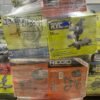
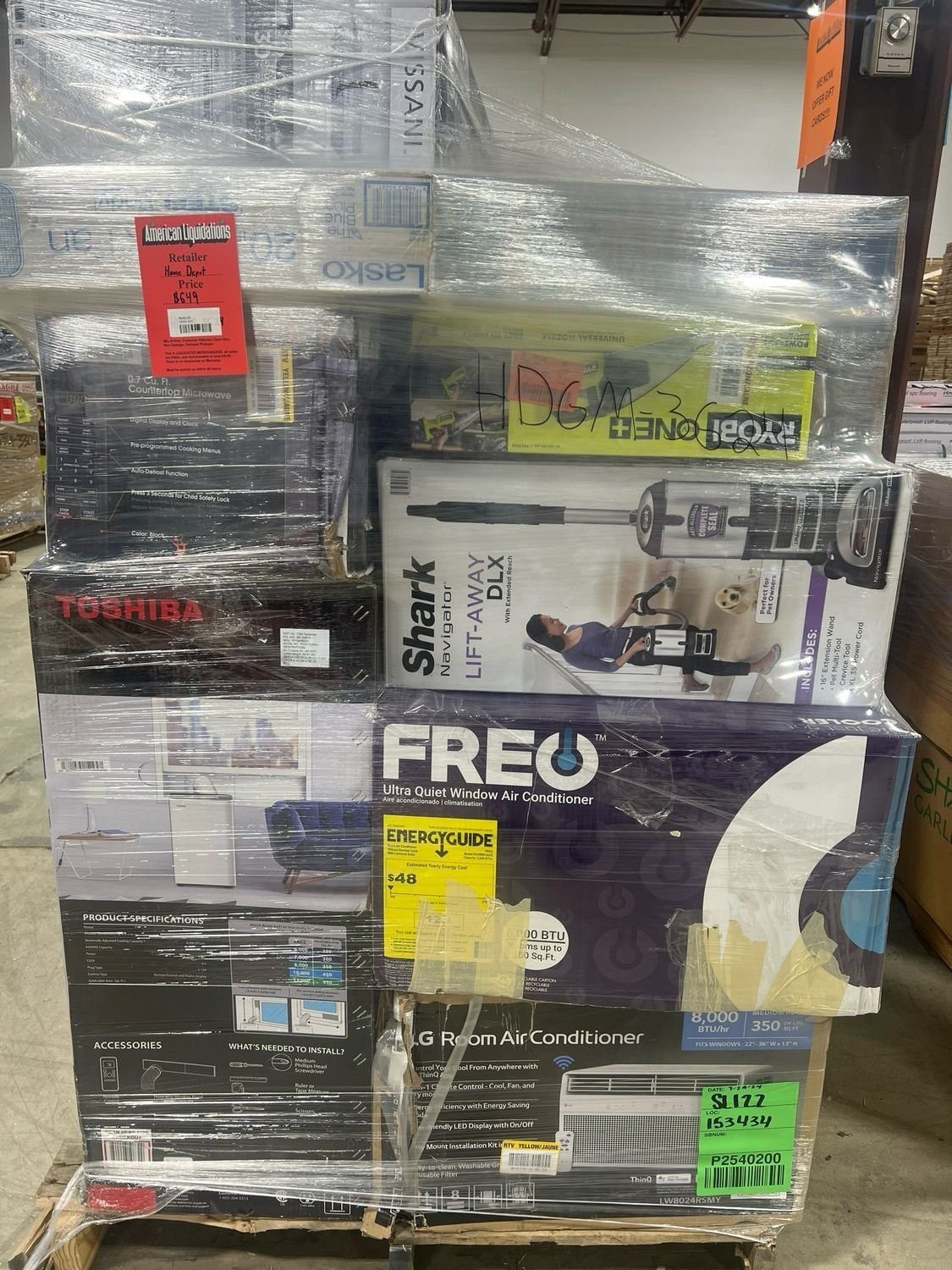
Home Depot General Merchandise Liquidation Pallet
$649.00
One pallet of hardware. Home Depot stock. $649 delivered. Sold as-is and untested. Condition varies.
This Home Depot general merchandise pallet is one pallet of hardware out of the Home Depot clearance channel, priced at $649. No piece count is stated on this listing and we will not invent one: loads of this class are published at roughly 200 to 800 units, which is the estimate to plan against. Sold unmanifested and as-is — nothing is opened, tested or graded, no itemised list exists, and the image represents the class of goods. Expect a spread: some new or still tagged, the rest returned stock whose condition varies piece to piece.
What is in this pallet
Typical contents of a Home Depot hardware pallet:
- Hand tools
- Fasteners, screws and anchors
- Plumbing fittings and fixtures
- Electrical fittings and lighting
- Paint sundries and decorating
- Safety gear and gloves
- Storage, toolboxes and organisers
- Door, gate and cabinet hardware
Hardware loads carry very high unit counts because so much of the stock is small and boxed in multiples. The final mix rotates with each intake; contents, brands and size mix differ from one order to the next, and nothing is selected, substituted or held back. Category mix inside a hardware load is never selected.
What this pallet costs per unit
This pallet is $649. We do not publish a piece count for it, because the quantity is approximate and we will not state a number we cannot stand behind. We publish no estimated retail value and no expected resale figure for this lot. What the price does not cover is yours to estimate:
- The hours to sort, test where testing applies, clean and photograph
- The fees on whichever channel you sell through
- The share that will not sell at all, and the cost of disposing of it
- Storage until it clears — a standard pallet needs roughly the footprint of a car parking space once you have unwrapped it and started sorting, and more while the tiers are laid out
Where hardware stock sells
- Bin stores and hardware racks
- Flea markets and swap meets
- eBay for branded and bulk lots
- Local trades and handymen
This class has a handful of dependable outlets, and choosing between them before you order is what decides whether the load pays. Sell-through is rarely even: the strongest pieces clear first, the middle takes as long as you keep listing it, and the tail only moves bundled or flat-priced.
Condition: as-is and uninspected
Hardware clears as discontinued lines, packaging changes, overstock and returns. Much of it is genuinely unused; the faults are usually opened, split or incomplete packs. What to expect when you work this pallet:
- Sort by category before pricing — hardware is won on organisation
- Count and reseal split packs
- Bulk-bundle low-value fasteners rather than listing them singly
- Check that boxed fittings are complete
Published industry guidance puts the unsellable share at roughly 1 to 5% on shelf pulls and overstock and 20 to 40% on customer returns, with 10 to 25% typical across a mixed load of this type. Those are figures for the class, not a projection for your load. Stock like this exists at scale for one reason: according to National Retail Federation returns research, US shoppers sent back an estimated $849.9 billion of merchandise in 2025, about 15.8% of everything they bought, and returned stock has to go somewhere.
Where buyers go wrong
- Listing fasteners singly instead of bundling them
- Pricing before sorting by category
- Assuming boxed fittings are complete
Who buys this pallet
- Bin store and hardware-rack operators
- Flea-market sellers
- Trades buying consumables in bulk
It is the wrong purchase for buyers who need specific parts or sizes, and for sellers with no space to sort small goods.
Questions
Will packs be sealed?
Many will be. Opened and split packs are the usual fault in this class.
Can I request specific items?
No. Category mix is never selected or split out.
How many units will I get?
No piece count is stated for this load. Published guidance puts the class at roughly 200 to 800 units, which is an estimate to plan against rather than a promise.
Is there a manifest for this lot?
No. No itemised list of its contents exists at any stage. What is described above is the class of goods and the condition basis, which is everything that is known before it is opened.
Can I choose what is in it?
No. Nothing is selected, substituted or held back. A load is whatever the source channel cleared, which is the reason it is priced the way it is.
Be the first to review “Home Depot General Merchandise Liquidation Pallet”
Related products
Home Depot Liquidation
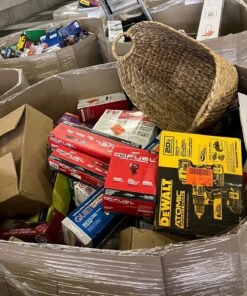
Home Depot Liquidation

Home, Kitchen & Appliances
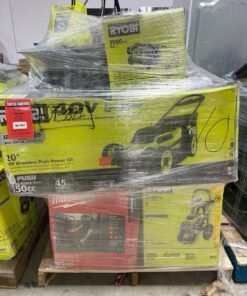
Home Depot Liquidation

Home Depot Liquidation
Home Depot Power Tool Liquidation Pallet – Returns · Lot HDT-3310

Home, Kitchen & Appliances

Home Depot Liquidation
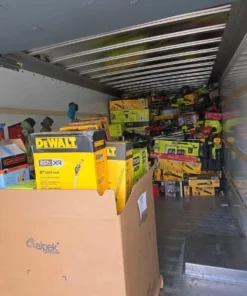
Home Depot Liquidation
Reviews
There are no reviews yet.