
Buying Guides
Liquidation Pallets for Sale: The Complete Buyer’s Guide
Nov
If you are shopping for liquidation pallets for sale, you are buying merchandise in bulk at a fraction of its original retail cost — and accepting that the exact contents will vary. That trade-off is the whole business model. Done well, liquidation buying gives resellers, discount stores, flea market vendors, and online sellers access to inventory they could never afford at regular wholesale prices. Done badly, it ties up cash in stock that does not suit your buyers. This guide explains where liquidation pallets come from, what the different types and conditions mean, what a pallet should cost, how to choose the right category, and how the buying process works step by step at Overstock Liquidation Pallets.
What Liquidation Pallets Are and Where They Come From
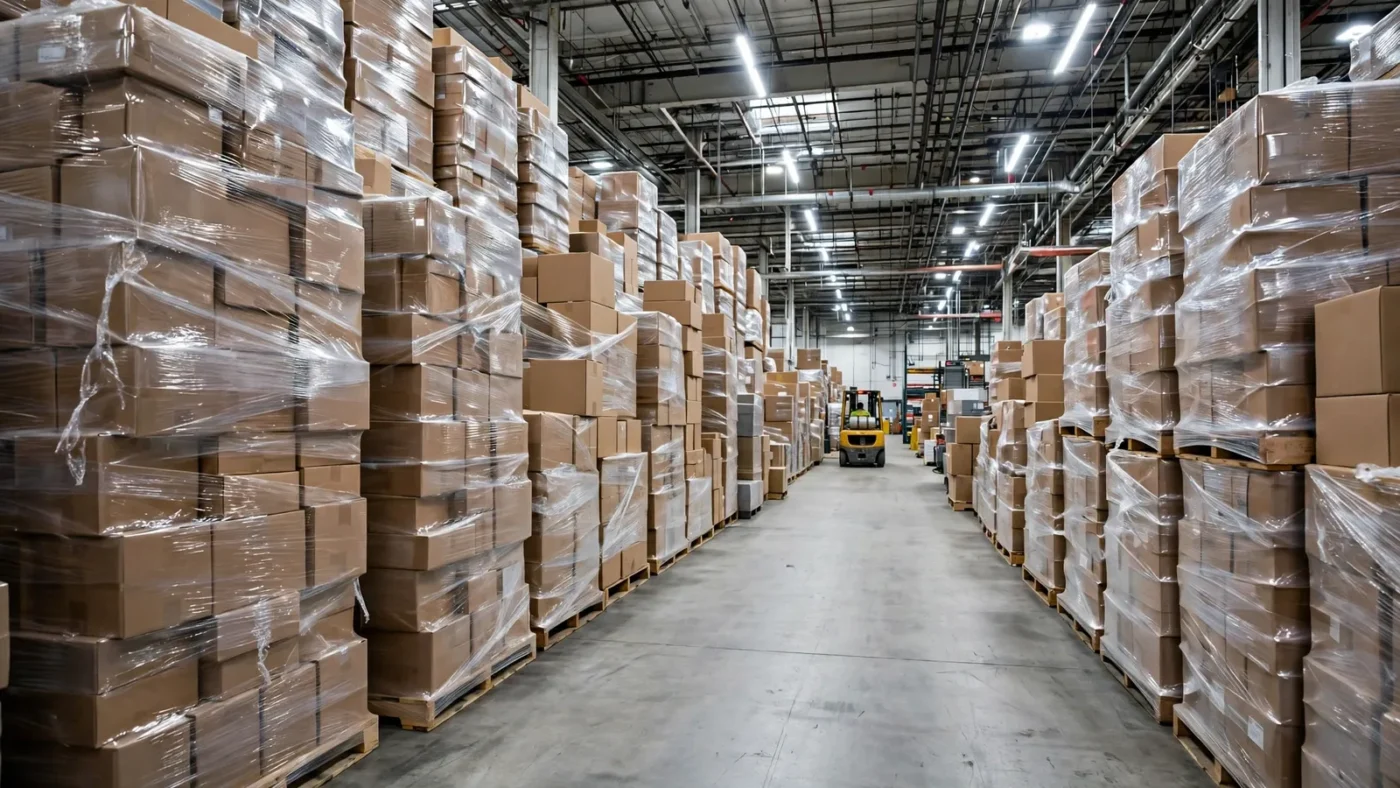
A liquidation pallet is a pallet load of merchandise that a retailer, distributor, or brand has sold off through liquidation channels instead of selling it through its own stores. Retailers clear stock this way because shelf space, warehouse space, and handling all cost money. It is often faster and cheaper for them to sell a mixed load at a deep discount than to process every item individually. Suppliers like Overstock Liquidation Pallets source those loads through liquidation channels and resell them to businesses. We are not affiliated with any retailer — retailer names describe the source of the load, not a partnership.
Most pallets fall into three broad sources, and understanding them helps you set the right expectations before you order.
Customer Returns
Customer returns are items that were bought, taken home, and brought back. Some are unopened or barely used. Others may have damaged packaging, missing accessories, or faults that need checking. Returns pallets tend to offer the biggest spread between what you pay and the original retail value, but they also need the most inspection and sorting time. Every unit should be checked on arrival before you price it.
Overstock
Overstock is merchandise a retailer ordered in too much quantity, or stock left over when a line was discontinued. These items are typically new and in their retail packaging, which makes them easier to list and sell. Because the condition is more predictable, overstock loads often cost more per pallet than returns loads of a similar size.
Shelf Pulls
Shelf pulls are items removed from store shelves to make room for new ranges, seasonal stock, or updated packaging. They may show light shelf wear, price stickers, or slightly tired boxes even when the product itself is unused. Shelf pulls sit between returns and overstock for both price and predictability, and they suit sellers who are comfortable grading items honestly before listing them.
Pallet Types and Conditions Explained
Two pallets in the same category can be very different purchases. These are the distinctions that matter most:
- Manifested loads: A manifest lists the items in the load, usually with quantities and sometimes retail values. You know more before you buy, so manifested loads normally carry a higher price.
- Unmanifested loads: Many loads are unmanifested, which means there is no item-by-item list. You are buying by category, source, and pallet size. The price is lower, but you must inspect and sort everything on arrival.
- Mixed-condition loads: A single pallet may contain new, like-new, and returned items side by side. That is normal in liquidation and is why grading stock is part of the job.
- As-is stock: Liquidation merchandise is sold as-is. Exact brands and quantities vary by load and are not guaranteed unless confirmed for a specific lot. Build inspection time into every purchase.
If you need certainty about a particular brand, size run, or model, ask before you order whether it can be confirmed for that specific lot. If it cannot be confirmed, treat it as a possibility in the load — not a promise.
What a Pallet Costs
At Overstock Liquidation Pallets, apparel loads start from $200 and general merchandise loads start from $300, with 900+ pallets and loads in stock across 20 categories. Larger loads, truckloads, and categories with higher original retail values cost more. When you compare liquidation pallets for sale from any supplier, look past the headline price and ask what drives it: the source retailer, the condition mix, whether the load is manifested, the category, and how much stock is actually on the pallet. A cheap pallet with little saleable stock is more expensive, unit for unit, than a pricier pallet you can sell through quickly. Delivery also matters. Here, delivery is a flat $180 per order anywhere in the USA, so a multi-pallet order does not attract a per-pallet delivery charge.
How to Choose the Right Category
The best category is the one your customers already buy. Start from your sales channel — a storefront, a market stall, an online shop, or a mix — and match the pallet to it. You can browse the full range in our online shop, but these are the main routes buyers take:
- General merchandise: A broad mix of everyday goods. A good first purchase because the variety spreads your risk. See current general merchandise pallets.
- Apparel and clothing: Loads from $200 make apparel a lower-cost way to start. Expect to sort by size, season, and condition.
- Home, kitchen and appliances: Practical household stock with steady year-round demand from discount and home-goods sellers.
- Tools and hardware: Suits sellers whose buyers are tradespeople, DIY customers, and market traders.
- Electronics: Higher original retail values, but check and test every unit before listing it.
- Toys and baby, beauty and personal care, health, grocery and household, and shoes and footwear: Focused categories that work best when you already sell to those buyers.
- Retailer loads: Amazon, Walmart, Target, Home Depot, Macy’s, Dollar General, Nike, and Lululemon liquidation loads, sourced through liquidation channels.
- Truckloads: Full truckloads for buyers with the space, staff, and cash flow to sort volume quickly.
Not all liquidation pallets for sale suit every seller. A small online seller may do better with one focused category pallet than with a truckload that takes weeks to work through. Buy the volume you can inspect, list, and sell in a reasonable time.
How Buying Works, Step by Step
Our process is order-first, and it is the same for buyers in Ohio and buyers across the country — we deliver nationwide from our single warehouse in Middletown, Ohio, and our delivery areas pages explain how delivery works state by state.
- Choose your pallet or load in the shop and place the order online. Your order sits on hold until payment is made.
- Receive payment details. After you order, we send you the details you need to pay.
- Pay by your chosen method: Zelle, Cash App, Apple Pay / Apple Cash, Chime, or bank wire.
- We dispatch. Orders are dispatched within 1 business day after payment clears. Delivery is a flat $180 per order anywhere in the USA, and delivery typically takes 1–5 business days after dispatch.
- Inspect on arrival. Sort, grade, and check the load as soon as it arrives, before you list anything for sale.
If anything is unclear before you order, read our frequently asked questions or call us — it is better to confirm a detail first than to guess.
Mistakes First-Time Buyers Make
- Buying on brand names alone. A famous brand on the pallet description does not guarantee specific items inside an unmanifested load.
- Skipping inspection. Unchecked returns get listed, buyers complain, and your time and reputation pay for it. Grade everything.
- Forgetting the extra costs. Delivery, storage, sorting time, packaging, and selling fees all come out of your margin. Price them in from the start.
- Ordering too much, too soon. Start with a pallet you can work through, learn how the stock moves, then scale up.
- Promising customers more than you know. Only describe an item’s condition as you have verified it yourself.
- Ignoring the season. Seasonal stock bought late can sit until next year. Match what you buy to when you can sell it.
Most of these mistakes come from treating liquidation like regular wholesale. It is not. When you compare liquidation pallets for sale, the discount exists precisely because the stock needs your time, judgement, and selling skill to turn into profit.
Frequently Asked Questions
Are liquidation pallets a good way to start a resale business?
They can be, because the entry cost is low — apparel loads here start from $200 — and one pallet gives you a varied inventory to learn with. Start with a category you understand, inspect everything, and reinvest only after you have sold through your first load.
Can I choose the exact brands or items in my pallet?
Many loads are unmanifested, so exact brands and quantities vary by load and are not guaranteed unless confirmed for a specific lot. If a particular brand or item is essential, ask us before ordering whether it can be confirmed for that lot.
How much is delivery, and how long does it take?
Delivery is a flat $180 per order anywhere in the USA. Orders are dispatched within 1 business day after payment clears, and delivery typically takes 1–5 business days after dispatch.
Can I visit the warehouse or collect my order?
Our warehouse is at 2628 Tytus Ave, Middletown, OH 45042, and we deliver orders nationwide for the flat $180 rate. If you have a question about an order or delivery, call us on (937) 794-3674 or email info@overstockliquidationpallets.com.
Buy Liquidation Pallets With Confidence
Overstock Liquidation Pallets stocks 900+ pallets and loads across 20 categories, from apparel starting at $200 to full truckloads, all dispatched from our Middletown, Ohio warehouse with flat $180 delivery anywhere in the USA. Browse the full shop, check the areas we deliver to, read the FAQs, or call us on (937) 794-3674 and we will help you pick the right load for your business.

Pingback: Where to Buy Liquidation Pallets: 7 Options Compared
Pingback: Liquidation Truckloads vs Pallets: Which Should You Buy?