


TV Liquidation Pallet – Roughly 12 Pieces
$1,500.00
One pallet of TV and audio-visual. Roughly 12 pieces at $1,500. Sold as-is. Condition varies and nothing is graded first.
One pallet of televisions and audio-visual stock at $1,500. The listing states roughly 12 pieces, which works out at about $125 per piece.
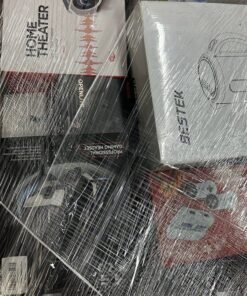
The pallet is unmanifested and sold as-is. No itemised list exists, nothing is opened, tested or graded before dispatch, and the photograph shows the class of load rather than the exact pallet you receive. Part of a load is usually new or still tagged; the rest is returned stock whose condition varies.
What is in this pallet
These are screen loads carrying flat-panel televisions across mixed sizes and makes. Typical contents:
- Flat-panel televisions across mixed sizes
- Stands, feet and wall brackets
- Remotes and cables where present
- Soundbars where the load carries them
Cracked panels are the biggest single write-off in this class, and the damage often stays invisible until a unit is switched on. The mix rotates with each intake — contents, brands and sizes differ between orders — and nothing is selected, substituted or held back. No screen size, model or generation is chosen; the source channel defines the load.
What this pallet costs per unit
At $1,500 for roughly 12 pieces, the cost works out at about $125 per piece. Run your numbers on the higher per-unit figure: the count is approximate, with no itemised list to verify it against.
No estimated retail value or expected resale figure is published for this lot. Budget separately for:
- The hours spent sorting, testing where testing applies, cleaning and photographing
- The fees charged by whichever channel you sell through
- The share that will never sell, plus the cost of disposing of it
- Storage until the load clears — a standard pallet occupies roughly a car parking space once unwrapped, and more while its tiers are laid out
Condition: as-is and uninspected
Panel damage is the risk that defines this class, and it often stays hidden until a set is powered on. A large share of televisions reach liquidation because a panel was cracked, in transit or in someone’s home.
Working this pallet, expect to:
- Power-test every screen on a bench before listing it
- Photograph any crack or bleed honestly
- Prefer local collection — reshipping a screen adds a second breakage risk
- Part out cracked panels for boards, stands and remotes
Published industry guidance for this class puts the unsellable share at roughly 1 to 5% on shelf pulls and overstock and 20 to 40% on customer returns, with 15 to 30% typical on a mixed load of this type. Those figures describe the class, not a forecast for your pallet.
Stock of this kind exists at scale for one reason: National Retail Federation returns research estimates that US shoppers returned $849.9 billion of merchandise in 2025, around 15.8% of everything bought, and returned goods have to go somewhere.
Disappointed buyers on this class have usually made one of these mistakes:
- Reshipping screens instead of selling locally, and absorbing a second breakage
- Listing a panel before powering it on
- Assuming remotes and stands are present
Where TV and audio-visual stock sells
- Local sale and collection — screens are expensive and risky to ship on
- Repair shops for panel and board recovery
- Parts-out for boards, stands and remotes
- Facebook Marketplace for tested working units
Sell-through is uneven: the strongest pieces move first, the middle sells for as long as you keep listing it, and the tail only shifts bundled or at a flat price.
Who buys this pallet
- Local sellers who can move screens without reshipping
- Repair shops and parts-out operators
It is the wrong purchase for anyone who must ship screens on to end customers, and for sellers who cannot absorb cracked panels.
Questions
Will panels be cracked?
Some will be. Panel cracks are the defining risk here, and they often stay invisible until the set is powered on.
Are screens tested?
No. Nothing is powered on before it ships.
Is the stated count guaranteed?
No. The figure approximates what loads of this class usually hold, and with no itemised list behind it, a shortage claim cannot be upheld against it.
Is there a manifest for this lot?
No. No itemised list of the contents exists at any stage. The class of goods and the condition basis described here are everything that is known before the pallet is opened.
Can I choose what is in it?
No. Nothing is picked out, swapped or withheld. What you receive is whatever the source channel cleared, and the pricing reflects that.
Be the first to review “TV Liquidation Pallet – Roughly 12 Pieces”
Related products

Electronics

Electronics

Electronics

Electronics

Electronics

Electronics

Reviews
There are no reviews yet.