
Retailer Pallets
Target Liquidation Pallets: What to Know Before You Buy
Nov
Target liquidation pallets are one of the most requested categories in the resale business, and for good reason: the merchandise is familiar, the brands are easy for shoppers to recognize, and the mix suits almost every kind of reselling operation, from flea market stalls to online stores. But this stock also gets oversold by brokers who describe every load as if it were fresh shelf inventory. It is not. These are liquidation loads, sold as-is, and the buyers who make money with them are the ones who understand what they are actually purchasing before the pallet arrives. This guide explains what these loads are, what is typically inside, how condition and pricing really work, and how to buy them from a wholesaler without surprises.
What Are Target Liquidation Pallets?
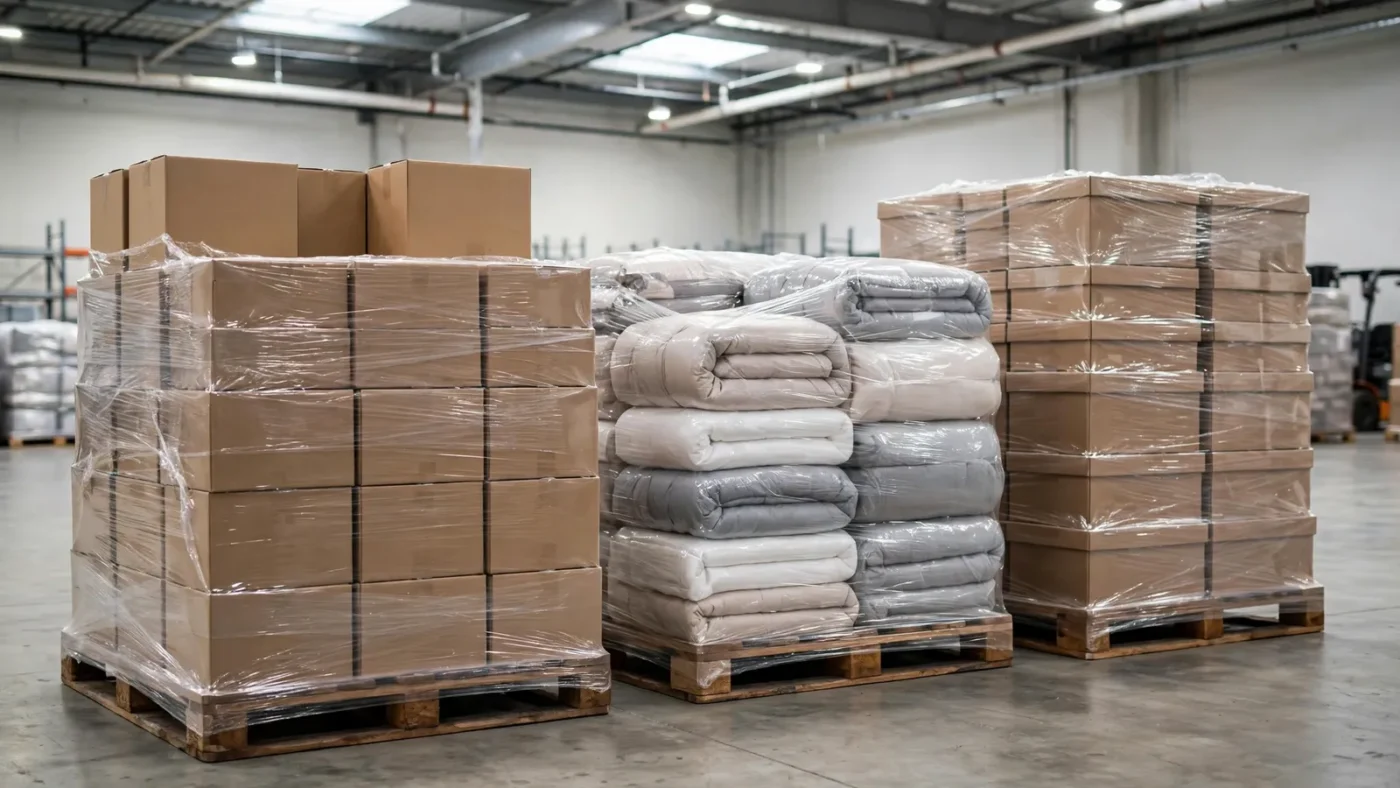
When a large retailer needs to clear merchandise out of its stores and distribution centers, that inventory enters liquidation channels instead of going back on the shelf. It can include customer returns, shelf pulls, overstock from seasonal resets, and items with damaged or opened packaging. Liquidators and wholesalers buy this inventory in bulk, sort it into pallet-sized loads by broad category, and resell it to smaller businesses and independent resellers.
That is the supply chain behind Target liquidation pallets. A pallet is not a curated selection chosen item by item. It is a bulk unit of mixed merchandise from the same retail ecosystem, which means one load might lean heavily toward kitchen goods while the next carries more apparel or toys. The exact brands, quantities, and item mix vary from load to load, and unless a specific lot is confirmed in writing, no honest seller can promise a precise inventory. Many loads are unmanifested, meaning there is no itemized list attached to the pallet at all. Experienced buyers price that uncertainty into what they are willing to pay.
What Is Typically Inside?
The contents follow the departments the retailer is known for. While every load is different, buyers shopping the Target liquidation category will commonly see merchandise drawn from these areas:
- Home goods: bedding, towels, storage containers, small decor, lamps, and kitchen textiles.
- Kitchen and dining: cookware, utensils, small appliances, food storage, and tableware — the same broad mix found in our home, kitchen and appliances range.
- Apparel: clothing for men, women, and children, including basics, seasonal lines, and private-label brands.
- Beauty and personal care: cosmetics, skincare, hair care, and grooming products.
- Toys and baby: games, dolls, action figures, strollers, and nursery items.
- Seasonal: holiday decor, outdoor and patio goods, back-to-school supplies, and clearance from the most recent seasonal reset.
Treat that list as a map of possibilities, not a manifest. A load described as general merchandise may contain several of these departments at once, and the proportions are whatever the liquidation channel produced that week. If a particular category matters to your business — say you only move kitchen goods — confirm the composition of the specific lot before you pay, or choose a category-specific load instead of a mixed one.
Why Resellers Like This Stock
The appeal is mostly about presentation and shopper recognition. Big-box retail merchandise is packaged for the shelf: branded boxes, hang tags, clear product photography on the packaging, and price points your customers already understand from shopping in the store themselves. That makes listing and displaying the goods faster than unbranded import stock, where you have to explain what every item is.
Condition also plays a role. Returns and shelf pulls from a major retailer often include a meaningful share of items that are new, open-box, or lightly handled rather than heavily used — a customer who changed their mind about a lamp creates a different kind of return than a worn-out appliance. That is a tendency, not a promise, and it varies by load and by department. But it is why many resellers find this stock easier to grade, photograph, and move through discount stores, bin stores, flea markets, and online marketplaces than unbranded salvage loads. The goods also span wide price bands, so a single pallet can supply both your bargain bins and your better shelf items.
Condition and Grading: The Honest Part
Everything in liquidation is sold as-is, and this category is no exception. Within one pallet you should expect a range: some items new and sealed, some open-box, some shelf pulls with price stickers or minor packaging wear, and some returns that are incomplete, damaged, or not working. Electronics and appliances deserve a test before you list them. Apparel may need steaming, de-tagging, or minor cleaning. Toys may be missing pieces.
Sellers use loose terms like “returns grade” or “shelf-pull grade,” but there is no universal grading standard across the liquidation industry, so treat those labels as descriptions of the source, not as guarantees of condition. The working rule is simple: inspect every load on arrival, sort it into sellable, repairable, and unsellable piles, and base your margins on the sellable share you actually find — not on the retail value printed on the boxes. Buyers who build that inspection step into their process rarely feel misled. Buyers who assume a pallet is uniformly shelf-ready usually do.
Pricing and What Drives It
Prices for target liquidation pallets move with a few practical factors. The department mix matters most: loads heavy in small appliances, electronics, and brand-name home goods cost more than loads dominated by soft goods or seasonal clearance. Timing matters too — seasonal stock is cheapest right after the holiday or season it was cleared from, which is exactly when a patient reseller can buy low and hold for the next cycle. Load size, whether the pallet is a single-category pull or mixed general merchandise, and freight distance all feed into the final number as well.
At Overstock Liquidation Pallets, pricing is published in the catalogue rather than negotiated through a broker, with pallets starting from $200 for apparel loads and from $300 for general merchandise. Delivery is a flat $180 per order anywhere in the USA, which makes it easier to work out your landed cost before you commit: pallet price, plus $180, divided by the sellable units you realistically expect. If the math only works when every item sells at full retail, the load is too expensive — walk away and wait for the next one.
How to Buy From This Store
Our process is deliberately straightforward. Browse the catalogue in our online shop, choose your load, and place the order online first. The order sits on hold while we send you the payment details. We accept Zelle, Cash App, Apple Pay / Apple Cash, Chime, and bank wire. Once your payment clears, your order is dispatched within one business day, and delivery typically takes one to five business days after dispatch. Every order ships from our only warehouse at 2628 Tytus Ave, Middletown, OH 45042, and the $180 delivery charge is flat per order — it does not change with your state or your distance from Ohio.
If you are comparing retailer programs, our guide to Amazon liquidation pallets explains how a different retailer’s loads differ in mix and grading. Reading both before you buy helps you match the stock to your sales channels instead of buying whichever pallet is cheapest that week.
A Note on Affiliation
Overstock Liquidation Pallets is an independent wholesaler. We are not affiliated with Target or with any other retailer whose merchandise appears in liquidation loads. Brand names are used only to describe the source and contents of the stock. The loads reach us through established liquidation channels, the same way they reach every other wholesaler in this trade.
Frequently Asked Questions
Are the items in these pallets new?
Some are, and some are not. A single load can contain new and sealed items alongside open-box goods, shelf pulls, and customer returns. Everything is sold as-is, so plan to inspect and grade each item when the pallet arrives rather than assuming a uniform condition.
Can I get a manifest before I buy?
Many loads are unmanifested, which means no itemized list exists for them. Where a specific lot has confirmed details, we will share them, but exact brands and quantities are not guaranteed unless they are confirmed for that specific lot. If a manifest is essential to your business, ask us about the lot before ordering.
What does delivery cost, and how long does it take?
Delivery is a flat $180 per order to anywhere in the USA. Orders are dispatched within one business day after payment clears, and delivery typically takes one to five business days after dispatch, depending on your distance from our Middletown, Ohio warehouse.
How do I pay for an order?
Place your order online first. We then send you the payment details, and you can pay by Zelle, Cash App, Apple Pay / Apple Cash, Chime, or bank wire. Your order stays on hold until the payment clears, and it is dispatched after that.
Order Target Liquidation Stock From Overstock Liquidation Pallets
Ready to stock up? Browse the current catalogue of 900+ pallets and loads across 20 categories in our shop, check the latest arrivals in the Target liquidation range, and place your order online today. Questions about a specific lot? Call Overstock Liquidation Pallets at (937) 794-3674 or email info@overstockliquidationpallets.com, and we will tell you honestly what we know about the load you are considering.
